The small bag that saves a ruined travel day.
What to put in a travel health kit, how to carry prescription medicines across borders, and why it belongs in your hand luggage.
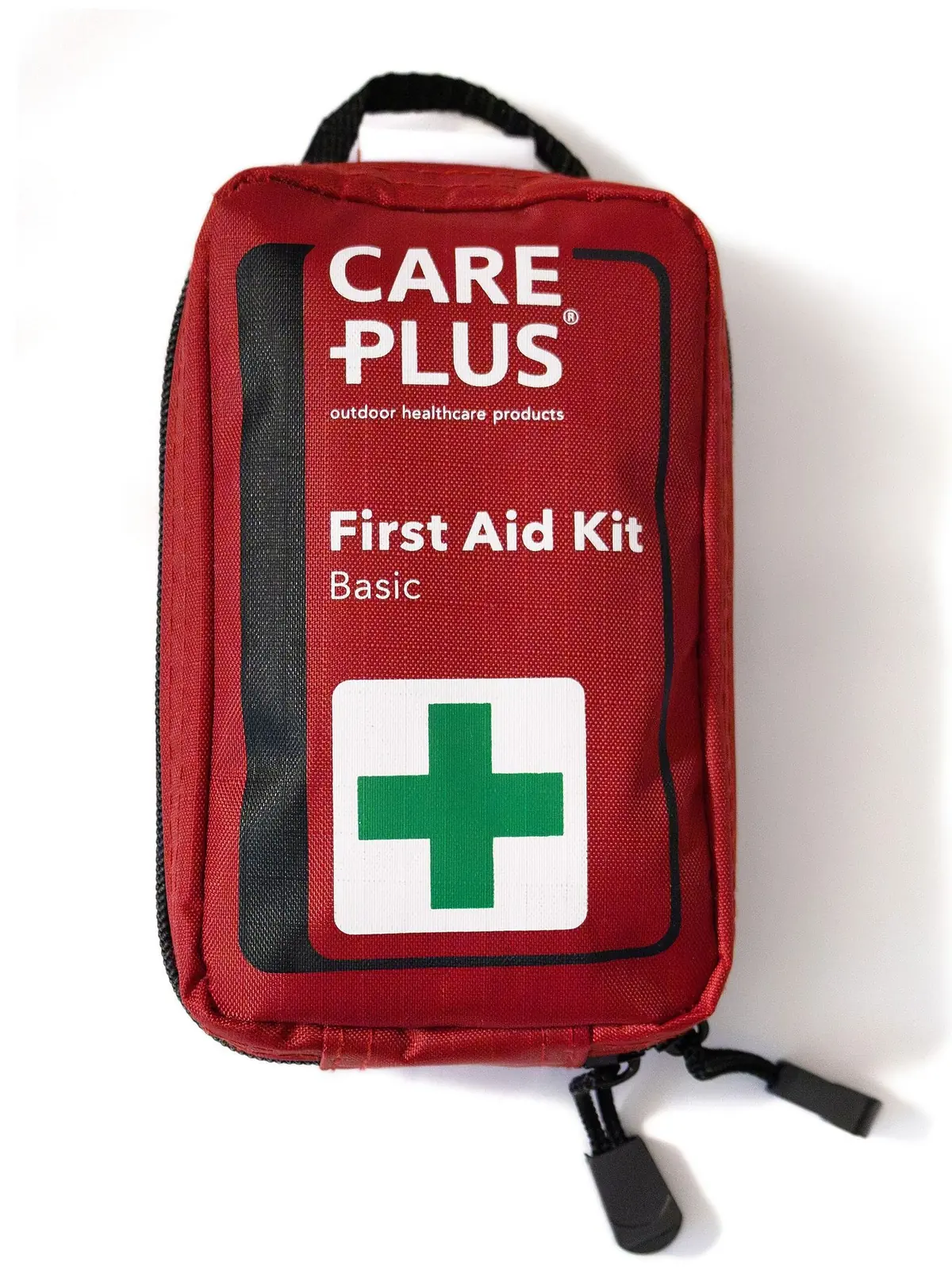
Most travel health problems are small: a headache after a long flight, a blister on the second day of walking, an upset stomach from unfamiliar food. They rarely need a doctor, but they can still wipe out a day if you spend it searching for a pharmacy in a language you do not speak. A small, well-chosen health kit fixes most of them in minutes.
This guide is general information, not medical advice. If you have a health condition, are pregnant, or are travelling somewhere remote, talk to a doctor, nurse or pharmacist before you go.
Start with your own medicines
The most important things in any travel health kit are the medicines you already take. Running out abroad can be difficult, expensive or, for some medicines, impossible.
- Bring enough for the whole trip, plus extra in case of delays. A few days' spare is a common rule of thumb.
- Keep them in your hand luggage, not in a checked bag that could be lost or delayed. The CDC recommends carrying prescriptions, preferably in their original containers.
- Carry a copy of the prescription or a letter from your doctor listing the medicine by its generic name, especially for anything injectable, controlled or unusual.
- Check the rules at your destination. Some medicines that are routine at home are restricted or banned elsewhere, including some strong painkillers, sleeping tablets and ADHD medicines. The embassy or official health site of the country you are visiting is the place to check.
Liquid medicines needed for the journey are generally exempt from the 100 ml cabin limit, but you may need to show them separately at security. Our guide to the 100 ml rule explains how that works.
A basic kit for most trips
The CDC's "Pack Smart" list is long because it covers every kind of trip. For a typical city or beach holiday, a smaller selection covers most common problems:
- Pain and fever relief, such as paracetamol (acetaminophen) or ibuprofen
- Diarrhoea medicine and oral rehydration sachets
- Antihistamine for allergies, bites and itchy rashes
- Motion sickness tablets if boats, buses or winding roads affect you
- Plasters (bandages) and blister dressings
- Antiseptic wipes or cream
- A few sterile gauze pads and medical tape
- Small scissors and tweezers (scissors go in checked luggage if the blade is long)
- Hand sanitiser with at least 60% alcohol
- Sunscreen and insect repellent, depending on where you are going
- A digital thermometer if you are travelling with children
Keep everything in one small, clearly labelled pouch so you, or someone helping you, can find it quickly.
Adjust for the trip
The basic kit is a starting point. Add to it depending on what you will be doing.
- Walking or hiking: more blister plasters, an elastic bandage for sprains, and the items in our day-hike essentials guide.
- Hot climates: extra sun protection, after-sun, and rehydration salts. See packing for heat.
- Travelling with children: child doses of pain relief, a thermometer, and plenty of plasters. Our guide to packing for kids covers more.
- Remote areas: a more complete first-aid kit and the knowledge to use it. A first-aid course before a remote trip is worth more than any item in the bag.
Vaccinations and health checks
Some destinations need vaccinations or preventive medicines, such as antimalarials, and some need them weeks before you travel. The NHS and the CDC both publish destination-specific advice, and both recommend seeing a health professional ideally several weeks before departure. Do not leave this until the week you fly.
Travel insurance and paperwork
Medical care abroad can be very expensive. Travel insurance that covers medical treatment and repatriation is one of the most useful things you can buy for an international trip. Read what it excludes, particularly for pre-existing conditions and adventure activities, and keep the emergency number somewhere you can reach without your phone.
It also helps to carry a short note with your blood group if you know it, any allergies, your regular medicines and an emergency contact. Keep it with your passport.
Food and water hygiene
Stomach upsets are among the most common travel illnesses. Washing hands before eating, using hand sanitiser when water is not available, and being careful with tap water, ice and uncooked food in places where water safety is uncertain all reduce the risk. If diarrhoea does strike, the main danger is dehydration, which is why oral rehydration sachets are in the basic kit. Seek medical help if symptoms are severe, include blood or a high fever, or affect a young child or an older person.
Keep it where you can reach it
A health kit only helps if you have it when you need it. Keep a small version in your day bag and the rest in your main luggage. When you build your list in Packlight, add "medicines + prescription copy" and "first-aid pouch" as your own items. Ticking them off is quicker than finding a pharmacy at midnight.
Sources checked 11 November 2026:
- CDC Travelers' Health: pack smart
- GOV.UK: hand luggage restrictions at UK airports
- NHS: travel vaccinations
Rules change. Always check the official source for your airline, airport and destination before you travel.