The 100 ml rule, explained without the queue panic.
Why cabin liquids are limited, what counts as a liquid, the exemptions for medicine and baby food, and why the rules now differ from airport to airport.
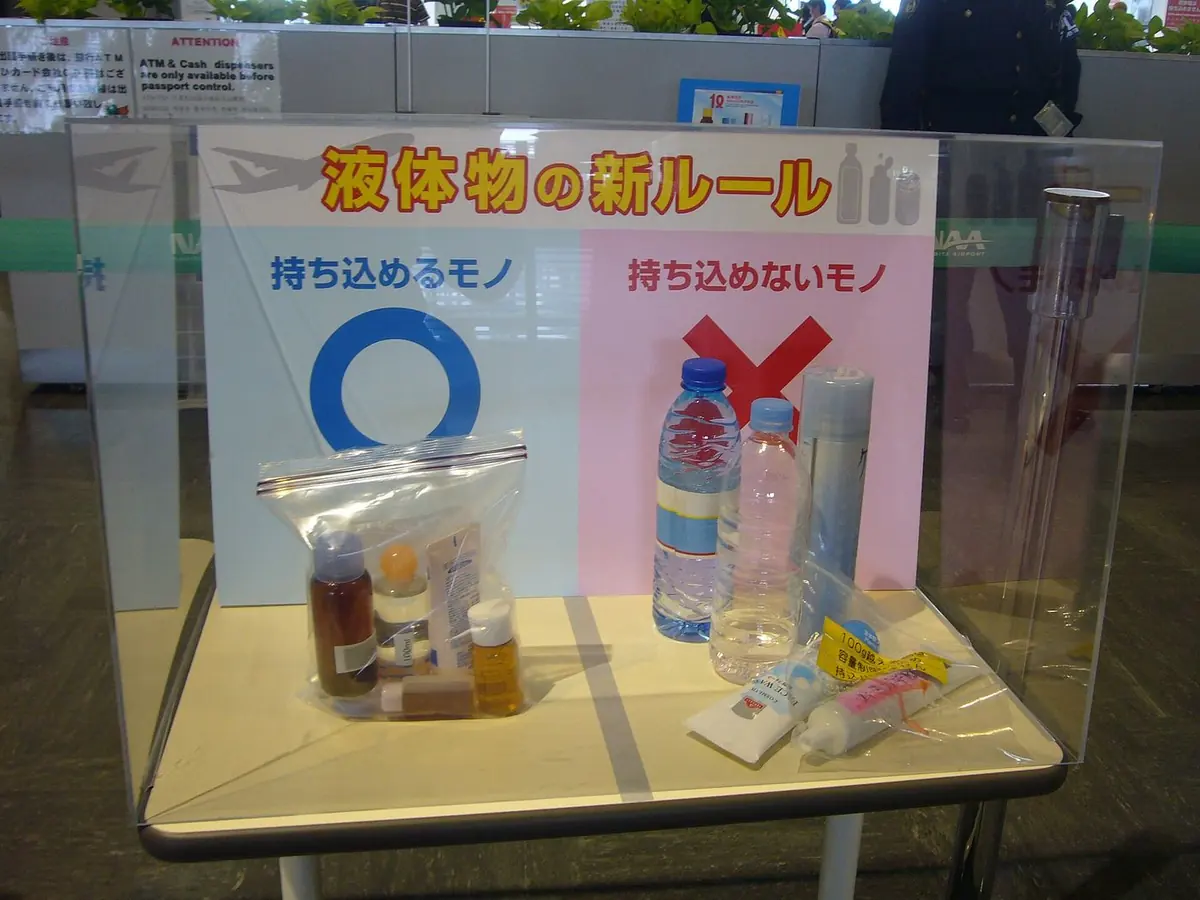
Few parts of a trip cause as much quiet dread as the security tray. You have packed carefully, the queue is long, and then a bottle of sun cream you forgot about is pulled out of your bag and dropped in the bin. Most of that stress comes from not knowing exactly what the rule is, or from assuming it is the same everywhere. It is not, and knowing why makes it much easier to pack.
What the rule actually says
The familiar version, still used at many airports around the world, has three parts. Each liquid must be in a container of 100 ml or less. All of those containers must fit in one clear, resealable plastic bag, usually described as about one litre in size. And there is one bag per passenger. In the United States, the Transportation Security Administration phrases the same idea as containers of 3.4 ounces (100 ml) or less in a quart-sized bag.
The size limit applies to the container, not to what is in it. A 200 ml bottle with only a little shampoo left is still a 200 ml bottle, and it will usually be refused. This catches many travellers out.
What counts as a liquid
The rule covers far more than drinks. GOV.UK lists, among others:
- drinks, including water
- liquid or semi-liquid foods such as soup, jam, honey and syrups
- cosmetics and toiletries, including creams, lotions, oils, perfume and mascara
- sprays, including shaving foam, hairspray and spray deodorant
- pastes, including toothpaste
- gels, including hair gel and shower gel
- contact lens solution
A useful test: if it can be poured, pumped, squeezed, spread or sprayed, treat it as a liquid. Solid alternatives such as bar soap, shampoo bars and stick deodorant avoid the question altogether and are worth considering if you travel with hand luggage only.
The exemptions that matter
Security rules are strict, but they are not designed to stop you taking what you need. Both the UK and US rules make room for:
- Medicines needed during the journey, including liquid medicines in larger containers. Keep them in original packaging where possible, and carry a prescription or doctor's letter for anything unusual.
- Baby food and baby milk for a child travelling with you.
- Food for special dietary requirements.
- Duty-free liquids bought after security or on the plane, as long as they stay sealed in the tamper-evident bag with the receipt. This matters if you have a connecting flight and must pass security again.
These items are usually screened separately and may need extra checks. Take them out of your bag and tell the security officer before they go through the scanner. It speeds things up for everyone.
Why the rules now differ between airports
For many years the 100 ml rule felt universal. That changed as airports began installing newer computed tomography (CT) scanners that produce a detailed 3D image of a bag. At some airports with this equipment, passengers have been allowed to leave liquids in their bags and carry larger containers. Other airports have kept the old limits, and in some places the relaxed rules were later rolled back.
GOV.UK now says it plainly: the rules for carrying liquids in hand luggage depend on the airport. At most airports you still cannot take containers larger than 100 ml through security, but some may allow containers of up to 2 litres. The same guidance tells you to check the rules at the airport you are flying from, at any airports you pass through, and for your return journey.
That last point is the one that catches people. You might fly out from an airport that allows larger bottles and come home through one that does not. If your toiletries only meet the more generous rule, you could lose them on the way back.
A packing approach that works everywhere
The simplest way to avoid surprises is to pack as if the strictest rule applies, unless you have checked every airport on your route.
- Decant into small bottles. Refillable travel bottles of 100 ml or less pay for themselves after one trip. Label them so you do not confuse shampoo with conditioner.
- Pack the clear bag last and on top. You may need to take it out at security, so it should not be buried under clothes.
- Use solids where you can. Bar soap, solid shampoo and solid sun cream sticks take pressure off the bag.
- Buy at your destination. Sun cream, toothpaste and shower gel are sold almost everywhere. For a short trip, buying a small bottle on arrival can be easier than carrying one.
- Put larger liquids in checked luggage if you are checking a bag anyway. Seal lids with tape or put bottles in a zip bag in case they leak in the hold.
On the day
Arrive with the liquids bag ready to lift out, along with laptops or other large electronics if the airport asks for them. Some checkpoints with newer scanners will tell you to leave everything in your bag; others will not. Follow the signs and the staff at that checkpoint, not what happened on your last trip.
Remember that security staff have the final say. GOV.UK notes that staff will not let anything through that they consider dangerous, even if it is normally allowed.
Put it on the list
The liquids bag is one of those items that is easy to forget until it matters. When you build a packing list in Packlight, add "liquids bag, 100 ml bottles" to your own items so it gets ticked off with everything else, and check the rules for every airport on your ticket a few days before you fly.
Sources checked 11 November 2026:
Rules change. Always check the official source for your airline, airport and destination before you travel.