You can buy socks anywhere. You cannot buy a passport.
Passport validity, visas and entry rules, Europe's Entry/Exit System, insurance, and how to keep backup copies of your documents safely.
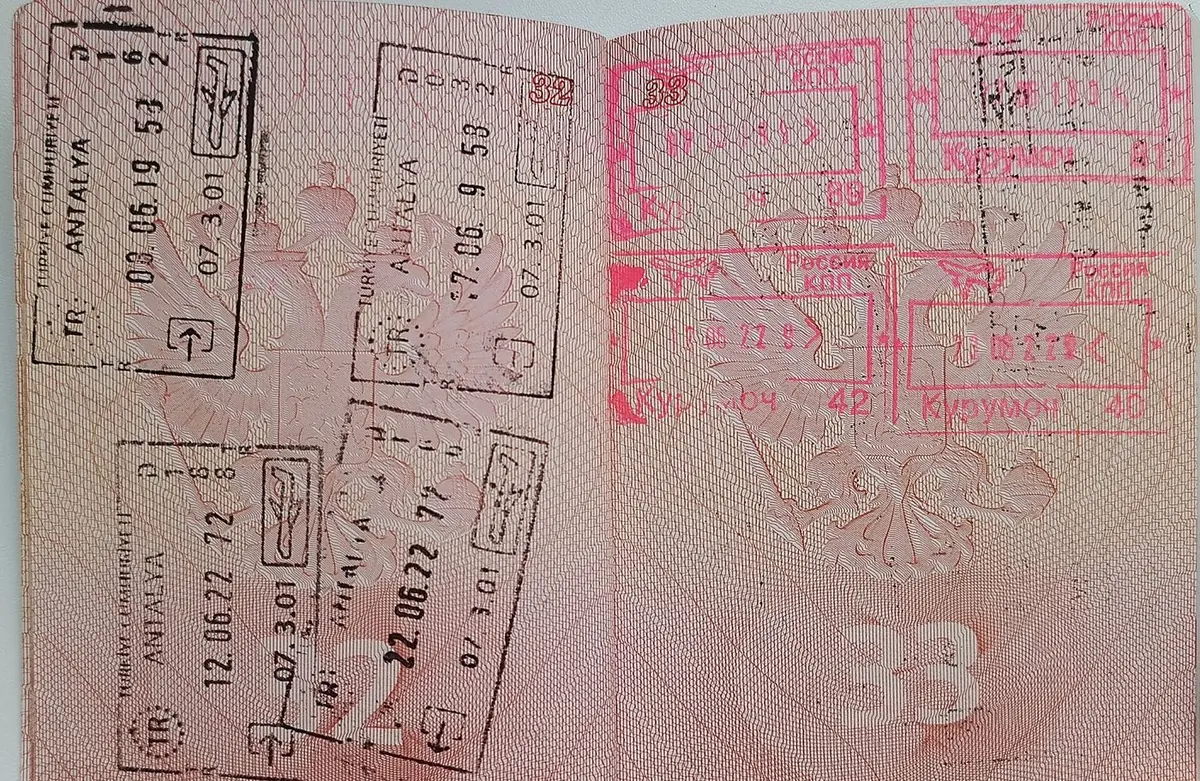
If you forget a jacket, you can buy one. If you forget your charger, someone at the hotel will lend you one. But arrive at the airport with an expired passport, or at a border without the right visa, and the trip may simply not happen. That is why documents deserve more attention than anything else on a packing list, and why they should be checked weeks before you go, not the night before.
Check your passport, properly
It is not enough for your passport to be valid on the day you travel. Many countries require it to be valid for some time after you arrive or after you plan to leave. Requirements of three or six months beyond your stay are common, and some countries also require a minimum number of blank pages for stamps.
Rules vary by destination and by nationality, so check the official advice for your passport and the country you are visiting. Government services such as GOV.UK's foreign travel advice and the US State Department's country information pages list entry requirements by country. If your passport is close to expiring, renew it before you book, because processing can take weeks.
Check that the name on your ticket matches your passport exactly. A spelling difference can cause problems at check-in.
Visas, eVisas and travel authorisations
Many countries now use online systems for visitors. Some require a full visa; others require a short electronic travel authorisation even for travellers who do not need a visa. These are separate from your ticket and are linked to your passport number, so if you renew your passport you may need a new one.
Apply only through the official government website for the country concerned. Many unofficial sites look similar and charge extra fees for the same application.
What has changed in Europe
If you are not an EU citizen and you travel to the Schengen area for a short stay, the border process is different from a few years ago. According to the European Commission, the Entry/Exit System (EES) became fully operational on 10 April 2026. It registers non-EU short-stay travellers' passport details, fingerprints and a facial image, along with the date and place of entry and exit, and it replaces passport stamping at the external borders of the countries using it.
In practice, your first crossing may take a little longer while your details are registered. Allow extra time at the border, particularly at busy ports and stations.
A separate system, the European Travel Information and Authorisation System (ETIAS), will eventually require visa-exempt visitors to apply online before travelling. At the time of writing, the official ETIAS site says it is not yet in operation, is not collecting applications, and that the start date will be announced several months before launch. Be wary of any website offering ETIAS applications before then.
Insurance and health documents
Travel insurance is a document too. Carry the policy number and the emergency assistance phone number separately from your phone, in case the phone is lost. Some destinations require proof of particular vaccinations; if so, carry the certificate with your passport. Our travel health kit guide covers the medical side.
Bookings and onward travel
Some border officers ask to see proof of onward travel or accommodation, and some airlines check this at departure. Keep your return or onward ticket, your first accommodation booking and, for some destinations, evidence of funds, somewhere easy to show. Offline copies on your phone are useful when there is no signal.
Keep copies, safely
Make a copy of your passport photo page, visas and insurance details before you leave. Keep one copy in a different bag from the originals, and one somewhere you can reach online. If your passport is lost or stolen, a copy makes it much faster for your embassy or consulate to help.
Be careful where you store those copies. A photo of your passport in an unlocked email account or a shared photo album is a gift to identity thieves. Use a secure, private storage option, and do not write passport numbers into shared notes or packing lists.
A documents checklist
- passport, valid for long enough for every country on the trip
- visas or electronic travel authorisations, from official sites only
- national ID card, if you can use one for part of the trip
- tickets and booking confirmations, with offline copies
- travel insurance details and emergency number
- driving licence, and an international driving permit if required
- any vaccination certificates or medical letters
- a secure backup copy of everything above
Put documents first
When you build your list in Packlight, add documents as your own items and tick them off before anything else. The tool keeps your list in the page and does not ask for passport numbers, and you should keep them out of any notes you export. For the rest of the bag, start with the outfit maths for a week away.
Sources checked 11 November 2026:
- European Commission: Entry/Exit System (EES)
- ETIAS: frequently asked questions
- GOV.UK: foreign travel advice
- US Department of State: travel advisories and country information
Rules change. Always check the official source for your airline, airport and destination before you travel.